
Jacqueline Kornmüller
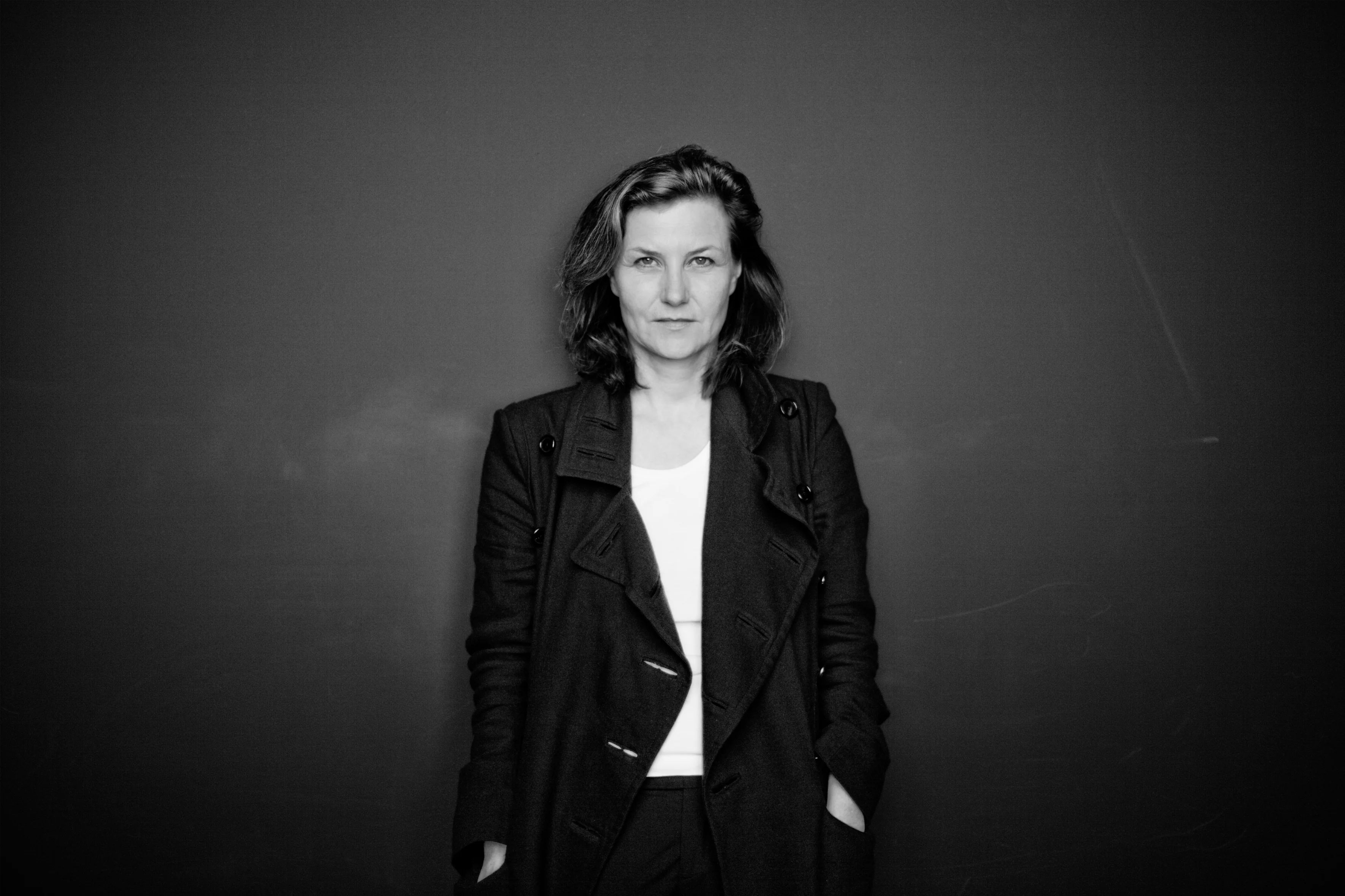
Image from Wikipedia
Image from Wikipedia
Jacqueline Kornmüller – Director, Author, and Influential Voice in Theater and Literature
An Artist Biography Bridging Theater, Text, and Radical Independence
Jacqueline Kornmüller, born in 1961 in Garmisch-Partenkirchen, is one of those German-speaking artists whose work cannot be confined to a single discipline. She gained recognition as an actress and director, later expanding her profile to include authorship, bringing her artistic development from the theater space into literature. Her career combines classical training, stage practice, directorial work, and a clear preference for projects with societal and aesthetic relevance. ([de.wikipedia.org](https://de.wikipedia.org/wiki/Jacqueline_Kornm%C3%BCller?utm_source=openai))
Biography and Artistic Influences
From Garmisch-Partenkirchen to Munich and Essen
Kornmüller initially studied art history, history, and literature at the Ludwig Maximilian University of Munich, and in 1984 she transferred to the Folkwang School in Essen-Werden to study acting. This dual academic and scenic training explains much of her subsequent work: her perspective on material is not only playful but also historically and dramaturgically sharpened. Until the year 2000, she worked as an actress before increasingly shifting her focus from performance towards directing and conceptual work. ([de.wikipedia.org](https://de.wikipedia.org/wiki/Jacqueline_Kornm%C3%BCller?utm_source=openai))
The Journey from Performer to Director
Her artistic biography demonstrates a consistent movement away from pure execution toward the design of entire aesthetic spaces. Entries from theater and biographical sources refer to stations in Cologne, invitations to the Prague Theater Festival and the Chekhov Festival in Moscow, as well as works at the Hamburg Schauspielhaus. There, she opened a new phase of her career with a production of Henrik Ibsen's The Lady from the Sea, which was more strongly characterized by directorial style and content independence. ([de-academic.com](https://de-academic.com/dic.nsf/dewiki/675177?utm_source=openai))
Career Highlights and Influential Projects
Between Ensemble Work, Urban Spaces, and Political Formats
Kornmüller's theater work is marked by openness to large ensembles and unconventional spaces. In 2006, she developed the evening Rosi, you did well with 30 women and men over 65, highlighting her documentary-social approach to stage and biography. This was followed by further projects connecting theater, city, and public institutions, including the opening projects Muzeum Marzen for the European Capital of Culture Wrocław and At the Heart of Democracy for the Austrian Parliament. ([de-academic.com](https://de-academic.com/dic.nsf/dewiki/675177?utm_source=openai))
“The Journey” and the Art of Participatory Storytelling
Her sensitivity to collective narrative forms became particularly evident with the project The Journey in 2011. The idea and concept she developed at the Volkstheater Wien with 30 migrants led to a production that intertwined artistic form and societal perspective. For this work, she received the Dorothea Neff Prize for "Best Direction," a testament that her theater not only impresses formally but also resonates in content. ([de.wikipedia.org](https://de.wikipedia.org/wiki/Jacqueline_Kornm%C3%BCller?utm_source=openai))
Late Awards and Literary Breakthrough
Kornmüller remained productive and versatile in her later years. In 2022, she premiered The Strange Library, a novella based on Haruki Murakami, at the Odeon Theater in Vienna. In 2024, her literary debut Leaving the House was released in Kat Menschik's series Illustrated Favorite Books; in 2025, her first novel 6 out of 49 was published by Kiepenheuer & Witsch. This has firmly established her as an author and transferred her artistic signature into the literary field. ([de.wikipedia.org](https://de.wikipedia.org/wiki/Jacqueline_Kornmüller?utm_source=openai))
Work, Impact, and Critical Positioning
Theater as a Social, Aesthetic, and Narrative Practice
Kornmüller’s works are deeply influenced by encounters: with people, with spaces, with texts, and with societal issues. Her directorial projects often resemble precisely constructed arrangements where biography, the music of speech, and visual composition come together. Her projects with older participants or migrant voices in particular demonstrate that her interest goes beyond psychological role-play, focusing on the conditions of public life and belonging. ([de-academic.com](https://de-academic.com/dic.nsf/dewiki/675177?utm_source=openai))
Literary Style and Expansion of Her Own Cosmos
With her shift to publication in the literary field, Kornmüller did not change her themes but rather intensified them. Publishers emphasize that Leaving the House was her first literary success, and 6 out of 49 further sharpened her profile as a novel. This step is particularly interesting from a cultural-historical perspective: a director who has trained her perspective on material on stage for years is now translating experience, language, and dramaturgy into prose. ([kiwi-verlag.de](https://www.kiwi-verlag.de/autor/jacqueline-kornmueller-4005602?utm_source=openai))
Current Projects and Publications
New Literature Instead of Music Releases
Current projects in 2024 and 2025 for Jacqueline Kornmüller primarily focus on literature and theater, rather than music. This is important for positioning her public presence: she continues to work artistically, but in the areas of directing, acting history, and writing. With Leaving the House and 6 out of 49, she has clearly expanded her author career, opening a new chapter in her career. ([kiwi-verlag.de](https://www.kiwi-verlag.de/autor/jacqueline-kornmueller-4005602?utm_source=openai))
Style, Attitude, and Cultural Influence
A Stage for Memory, Body, and Present
Jacqueline Kornmüller represents a form of theater that works neither in a museum-like nor loud manner but instead operates precisely, openly, and human-centered. Her biography, bridging academy, acting school, directing, and literature, creates an authority derived from practice rather than mere theory. Her cultural value lies precisely in this: she shows how closely artistic development, societal observation, and form-conscious staging can be interlinked. ([de.wikipedia.org](https://de.wikipedia.org/wiki/Jacqueline_Kornmüller?utm_source=openai))
Why Her Work Remains Relevant Today
Her works endure beyond the moment because they do not rely on quick effect but rather on attitude, structure, and resonance. Whether theater project, stage production, or literary publication: Kornmüller always considers art as an encounter with an audience that should experience more than mere entertainment. This is precisely why her work resonates in the best sense — as a reminder that direction, text, and performance together form a strong, culturally impactful language. ([de.wikipedia.org](https://de.wikipedia.org/wiki/Jacqueline_Kornmüller?utm_source=openai))
Conclusion: An Artist with Depth, Courage, and a Distinctive Signature
Jacqueline Kornmüller is compelling because she has never allowed herself to be reduced to a single role and has consistently expanded her artistic development. From actress to director to author, a common thread runs through her work: the desire to not only interpret material but to give it new form, new perspective, and new presence. Those seeking contemporary theater and literary work with character, substance, and attitude should closely follow her work — and, where possible, experience it live. ([de.wikipedia.org](https://de.wikipedia.org/wiki/Jacqueline_Kornmüller?utm_source=openai))
Official Channels of Jacqueline Kornmüller:
- Instagram: No official profile found
- Facebook: No official profile found
- YouTube: No official profile found
- Spotify: No official profile found
- TikTok: No official profile found