
Ulm
Schillerstraße 1, 89077 Ulm, Deutschland
Danube Swabian Central Museum | Opening Hours & Tickets
The Danube Swabian Central Museum in Ulm is a house for history, memory, and European perspectives. Those who visit the location at Schillerstraße 1 do not experience a classic event center, but a scientifically working museum with a clear mission: to comprehensively tell the history of the Danube Swabians and place it in the broader context of Southeastern Europe. This mix makes the DZM particularly interesting for city visitors, culture enthusiasts, school groups, and families. It is located near the banks of the Danube, housed in a historic fortress building, and connects the past with contemporary mediation. There are practical advantages such as clear opening hours, affordable admission prices, public tours, and an offering that ranges from media guides to the museum shop. For search intents around opening hours, tickets, tours, access, and parking, the museum is particularly relevant. At the same time, it convinces with content depth: history is not only exhibited but brought to life in rooms, objects, photos, biographies, and interactive stations. ([dzm-museum.de](https://www.dzm-museum.de/das-museum/))
Opening Hours, Tickets, and Access to the DZM in Ulm
For many visitors, planning begins with the opening hours. The Danube Swabian Central Museum is closed on Mondays. From Tuesday to Friday, guests can come between 11:00 AM and 5:00 PM, and on Saturdays, Sundays, and public holidays, it is open from 10:00 AM to 6:00 PM. The visitor information also mentions several public holidays when the museum is open. This is helpful for direct planning, as a museum visit can be easily integrated into a city stroll or a cultural trip to Ulm. The admission prices are deliberately kept moderate: regular 5 euros, reduced 3.50 euros, children and young people up to 18 years visit the house for free. ([dzm-museum.de](https://www.dzm-museum.de/besucherinfos/))
Particularly interesting for price-conscious visitors is the free admission on the first Friday of the month. Additionally, there is another discount for people with a current bwtarif ticket, JugendticketBW, Schüler-Ferien-Ticket, or Deutschland-Ticket. This is not only customer-friendly but also makes the DZM attractive for day trips using public transport. Therefore, those looking for tickets for the Danube Swabian Central Museum will find a very clear structure on the official visitor information: admission on-site, discounts for defined groups, and a transparent service for spontaneous or planned visits. This is a plus point especially for city and culture travelers, as costs can be quickly calculated. ([dzm-museum.de](https://www.dzm-museum.de/besucherinfos/))
Access is also straightforward. It takes about 10 to 15 minutes on foot from Ulm main station. By public transport, you can take tram lines 1 or 2 or bus lines 7, 10, and 12 to Ehinger Tor; from there, it is about 500 meters along Schillerstraße towards the Danube. By car, the route from the south is via B 28 and the Konrad-Adenauer Bridge, from the north via B 10, the city tunnel, and also the bridge. The official visitor information also lists seven parking spaces for museum visitors and describes access via Arsenalstraße and Schillerstraße. For the search terms access and parking, this is particularly valuable because the location is clearly embedded yet easily accessible. ([dzm-museum.de](https://www.dzm-museum.de/besucherinfos/))
When considering the location of the house, one quickly realizes why the DZM works well for a city trip. The museum is located in Ulm, just a few meters from the Danube and in a historic building of the Ulm Federal Fortress. This combination of urban location, proximity to the river, and monument character ensures that a visit is convincing not only in content but also atmospherically. The location is ideally suited to search queries like Danube Swabian Central Museum Ulm, Schillerstraße Ulm, or opening hours Ulm, because the address is as clear as it is central. ([ulm.de](https://www.ulm.de/rathaus/%C3%BCber-ulm-hinaus/ulm-und-die-donaul%C3%A4nder/donauschwabisches-zentralmuseum))
Tours for Groups, Families, and Public Dates
An important topic in the search analysis is tours, and this is where the DZM showcases its strengths. The museum regularly offers public tours as well as group tours. The official website explicitly states that group tours can also be arranged outside of opening hours. This is a significant advantage for clubs, school classes, companies, friend circles, or travel groups looking for a fixed program point in Ulm. Tours can be organized with prior registration, and the team provides information about costs and possible dates. Thus, the museum is not only a place of exhibition but also an active educational and meeting space. ([dzm-museum.de](https://www.dzm-museum.de/themenfuehrungen/?utm_source=openai))
Content-wise, the tours cover the two major permanent exhibitions. An overview tour of the exhibition on the Danube Swabians tells of emigration, coexistence, loss of homeland, and new beginnings. The Danube exhibition additionally opens the view of the river as a lifeline, transport route, natural space, and cultural space. The museum addresses different target groups: families, school groups, and adults can each book suitable formats. The public tour is particularly attractive for visitors who want to dive into the topics without long preparation and still seek a well-founded, illustrative tour. This way, the house meets the search intent behind tours and programs. ([dzm-museum.de](https://www.dzm-museum.de/das-museum/))
For groups, the framework conditions are concretely described. The maximum number of participants is 20 people per tour, and the duration is about 60 minutes. Tours are available in German, English, Hungarian, Romanian, Serbian, and Slovak. Particularly interesting are the theatrical tours, where actors bring historical perspectives to life. This way, the DZM responds to different needs: classic knowledge transfer, emotional approach, barrier-free language, and international guests. For SEO-relevant search terms like Danube Swabian Central Museum tours, tickets, families, and programs, this mix is particularly relevant as it answers both content-related and organizational questions. ([dzm-museum.de](https://www.dzm-museum.de/themenfuehrungen/?utm_source=openai))
Additionally, there are offers for children and families. The museum refers to family-friendly formats, interactive stations, the media guide, and special programs throughout the year. Even on Free Friday, the tour character is palpable: Every first Friday of the month, admission is free, and on these days, a free public tour takes place at 3:30 PM. This makes the museum particularly attractive for spontaneous cultural visits and strengthens its relevance for search terms around programs, tours, and free Fridays. Those looking for a compact, educational, and relaxed museum visit will find a well-organized offering here. ([dzm-museum.de](https://www.dzm-museum.de/freier-freitag-2/?utm_source=openai))
Danube Swabians. Departure and Encounter and Danube. River Stories
The thematic heart of the house is the two permanent exhibitions. The exhibition Danube Swabians. Departure and Encounter shows the history of German settlers on the middle Danube who emigrated to Hungary in the 18th and 19th centuries. The museum describes this history as an example of European migration and lived diversity. For generations, the Danube Swabians lived in close contact with their neighbors, including Hungarians, Romanians, Serbs, and Croats. After World War II, flight, expulsion, deportation, and internment shaped many biographies. This breadth makes the exhibition so important: it tells not only regional history but also European entanglement, conflict, and memory. ([ulm.de](https://www.ulm.de/rathaus/%C3%BCber-ulm-hinaus/ulm-und-die-donaul%C3%A4nder/donauschwabisches-zentralmuseum))
The presentation on the Danube Swabians is generously designed with 950 square meters and works with media stations, interactive stations, and historical objects. Visitors can engage with everyday life in villages and towns, the time of National Socialism, and the fate of displaced persons. Media reports and the website make it clear that the house deliberately focuses on mediation: contemporary witnesses, interactive elements, and scenic approaches ensure that history does not remain distant. Thus, a historical narrative becomes an experiential tour that is also suitable for school classes, families, and foreign guests. For search terms like photos, reviews, and programs, this is relevant because the staging strongly targets impressions and visitor experiences. ([ulm.de](https://www.ulm.de/rathaus/%C3%BCber-ulm-hinaus/ulm-und-die-donaul%C3%A4nder/donauschwabisches-zentralmuseum))
This perspective is complemented by the exhibition Danube. River Stories, which works on 550 square meters and examines the river from its source to the Black Sea. It is not only about nature but also about shipping, myths, Ulm boxes, Danube steamers, escape routes, and cultural diversity in the Danube region. The tourism page describes additional topics such as modern hydropower, natural and cultural landscapes, as well as interactive and media stations. Those who visit the museum thus experience two very different yet closely connected narratives: the history of a population group and the history of a European river. This is content-wise strong and ideally suited for a broad audience. ([ulm.de](https://www.ulm.de/rathaus/%C3%BCber-ulm-hinaus/ulm-und-die-donaul%C3%A4nder/donauschwabisches-zentralmuseum))
The current program remains varied. The official website announces special exhibitions for 2026 such as Atlantis and Simply Beautiful?, which expand the profile of the house with contemporary and thematic perspectives. Atlantis deals with sunken or abandoned settlements and connects historical places with photographic and documentary approaches. This way, the DZM is not limited to the permanent exhibitions but shows that the themes of the Danube, migration, and memory can be retold anew. For visitors, this is particularly attractive because recurring visits remain worthwhile, and the museum presents changing content. ([dzm-museum.de](https://www.dzm-museum.de/))
Foundation, Mission, and Collection with over 50,000 Exhibits
Behind the museum stands a clear institution: the Danube Swabian Central Museum Foundation. Its task is to preserve, document, and make accessible the cultural tradition and cultural assets of the Danube Swabians based on the Federal Expellees Act. The museum sees itself not only as a place of exhibition but also as an educational and mediation institution. It aims to convey knowledge about the history, culture, and landscape of the Danube Swabian regions of origin while promoting understanding with the southeastern neighbors. This mission makes the location so special: it is a museum, a research site, and a cultural platform at the same time. ([dzm-museum.de](https://www.dzm-museum.de/das-museum/))
The collection is a central part of this mission. It currently includes over 50,000 exhibits, of which only a small part is on display in the permanent exhibitions. These include everyday objects, photographs, documents, and artworks from more than three centuries. Particularly noteworthy is that the collection has not simply grown historically but has been deliberately built up. Even before the foundation of the foundation, there was a trial collection in the late 1980s to test the cultural relevance of such a museum. This curatorial care explains why the holdings are so diverse today and why the house possesses scientific authority on the subject. ([dzm-museum.de](https://www.dzm-museum.de/das-museum/))
Interesting for visitors is also the regional and international networking. The DZM collaborates with partner museums in Romania, Serbia, and Hungary and considers the Danube Swabian settlement areas between Budapest and Belgrade as a shared cultural space. This perspective clearly distinguishes the museum from a purely local heritage museum. It is not only about origin but also about exchange, migration, and European neighborhoods. This creates the special SEO value for terms like foundation Danube Swabian Central Museum or Danube Swabian Central Museum Ulm: The museum stands for an institution with a clear scientific and cultural mission. ([dzm-museum.de](https://www.dzm-museum.de/das-museum/))
The collection also tells many small stories behind the objects. Part of the holdings came to the museum through private donations, often from Southeast Europe or via flight and migration routes to Germany. This gives the exhibits a special emotional depth. Instead of just showing things, the DZM collects memories, biographies, and contexts. Those who visit the house quickly sense that here, not just showcases have been filled, but a material memory of history has been created. This function is a true unique selling point for a location in the museum sector and strengthens the position of the house in the cultural landscape. ([dzm-museum.de](https://www.dzm-museum.de/en/collection/))
The Historic Building in the Ulm Federal Fortress
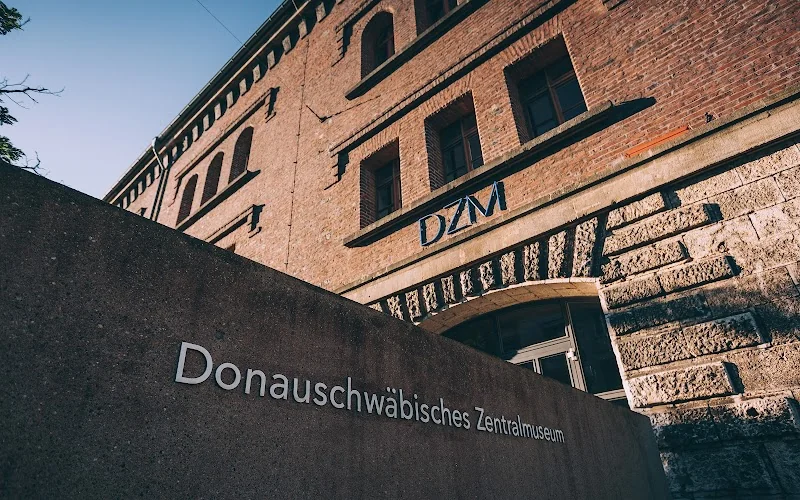
The DZM is special not only because of its content but also because of its location. It is housed in the Reduit of the Upper Danube Bastion, part of the Ulm Federal Fortress. The building was completed in 1855 and has been a listed monument since 1974. It is one of the few preserved military structures of this type and is firmly anchored in the city's history. The nationally known location near the Danube and the historical character of the house add an extra layer to the museum visit. Even the way into the building conveys the feeling of arriving at a place with a long past. ([dzm-museum.de](https://www.dzm-museum.de/en/the-building/))
Architecturally, the building is remarkable: it is almost 140 meters long, three stories high, and has a usable area of almost 2,000 square meters per floor. The military casemates were once oriented inward and outward to accommodate soldiers and artillery. At the same time, the building's history also tells of later uses: after World War II, the building served, among other things, as accommodation for refugees and displaced persons before being used by companies and associations. The history of the house is thus itself part of the museum narrative. ([dzm-museum.de](https://www.dzm-museum.de/en/the-building/))
The city of Ulm explicitly describes the museum as a house located in a historic building of the federal fortress just a few meters from the Danube. This connection of fortress construction, river proximity, and museum use makes the location so impressive for visitors. It is a place where one does not only view exhibitions but also experiences a listed space. For search queries like photos or Schillerstraße Ulm, this is relevant because the surroundings themselves are a strong photographic and atmospheric component of the visit. The DZM is also a good example of how architecture and content reinforce each other. ([ulm.de](https://www.ulm.de/rathaus/%C3%BCber-ulm-hinaus/ulm-und-die-donaul%C3%A4nder/donauschwabisches-zentralmuseum))
The building's history also fits excellently with today's museum work. After a five-year construction phase, the museum opened on July 8, 2000, and with the renovation from 2018 to 2022, it was modernized. Since then, the exhibition Danube. River Stories has been a permanent part of the house. Thus, the historic building is not only a backdrop but an active bearer of a modern exhibition concept. For visitors, this creates a connection between old substance and contemporary mediation, which can only be experienced in Ulm at a few places in this form. ([dzm-museum.de](https://www.dzm-museum.de/das-museum/))
Collection, Museum Shop, and Barrier-Free Visit
Those who want to plan their visit to the DZM practically will find many useful details on the visitor information. The museum has barrier-free access and a restroom, as well as Wi-Fi and a museum shop. In the shop, there are publications, posters, cards, children's and youth literature, as well as handicrafts and toys from the Danube countries or specially made pieces for the museum. This means that the visit is not just a short tour but can also be combined with shopping or a small break. This is a pleasant additional benefit, especially for families and culturally interested guests. ([dzm-museum.de](https://www.dzm-museum.de/besucherinfos/))
Also practical is the media guide, which visitors can borrow for free at the cash desk for the exhibition Danube Swabians. Departure and Encounter. It guides in German or English through the entire exhibition and connects historical context with small play scenes and background information on special exhibits. This fits well with a museum that wants not only to inform but also to explain and mediate. For search terms like reviews or photos, this is important because the visitor experience is strongly influenced by the quality of mediation. Those wondering in advance whether the museum is modern and accessible receive a clear answer here. ([dzm-museum.de](https://www.dzm-museum.de/besucherinfos/))
The service information is also concrete. The visitor information lists seven parking spaces for museum guests, as well as good accessibility by public transport and on foot. The walk from the main station is short, and the Ehinger Tor stop is only about 500 meters away. Additionally, passengers with certain tickets benefit from a reduced admission fee. For visitors who want to not only see a location but also reach it comfortably, these are relevant details. Especially in the interplay of parking, access, and tickets, a very good practical benefit arises. ([dzm-museum.de](https://www.dzm-museum.de/besucherinfos/))
The visitor information also highlights family offers and lists various discounts and free admissions. Additionally, there are public tours, special exhibitions, and a clearly structured service area on the website. The contact details are also clear: address, phone number, and email are directly accessible. This makes the DZM an uncomplicated address for cultural programs in Ulm. Those searching for reliable information from the search terms Danube Swabian Central Museum Ulm, opening hours, prices, parking, or tours will find a very good combination of information depth and user-friendliness here. ([dzm-museum.de](https://www.dzm-museum.de/besucherinfos/))
Events, Free Friday, and Cultural Night
The DZM thrives not only on permanent and special exhibitions but also on an active event program. The website announces readings, overviews, family offers, and thematic events. For 2026, the museum mentions the special exhibition Atlantis as well as the cabinet Simply Beautiful?, which expands the program horizon beyond the classic permanent themes. Such changing formats are important because they show that the house is not static but continuously reworks its themes. For the search intent for programs or photos, this is a strong signal because the visitor experience regularly receives new occasions. ([dzm-museum.de](https://www.dzm-museum.de/))
Particularly popular is Free Friday. Every first Friday of the month, admission is free, and additionally, there is a free public tour at 3:30 PM on this day. This lowers the threshold for first-time visitors and makes the museum attractive for spontaneous cultural appointments. At the same time, it shows how accessible the mediation work at the DZM is intended to be. Therefore, those looking for tickets will find not only a regular price but also recurring opportunities for a cost-effective or free visit. Especially in combination with public tours, this is an important point for visitors with a flexible time budget. ([dzm-museum.de](https://www.dzm-museum.de/freier-freitag-2/?utm_source=openai))
The Cultural Night is also part of the house's profile. In the annual report 2024, the Cultural Night Ulm / Neu-Ulm 2024 is explicitly mentioned; the museum offered tours, fairy tales, live music, wine from the Danube countries, and Hungarian Langosch between 6 PM and midnight. At the same time, the city of Ulm points out that the Cultural Night Ulm/Neu-Ulm 2025 took place on September 20, 2025. For search queries like cultural night 2025 Danube Swabian Central Museum September 20, this is important because the search term directly refers to the city’s cultural festival, and the DZM fits well into this context historically. ([dzm-museum.de](https://www.dzm-museum.de/wp-content/uploads/2026/02/Jahresbericht-DZM-2024.pdf))
In summary, the DZM presents itself as a place with a clear focus and a lively program. It combines scientifically based permanent exhibitions with changing special exhibitions, free visiting days, tours, and urban cultural formats. This keeps the location attractive and relevant throughout the year. Those entering the search terms Danube Swabian Central Museum Ulm, cultural night, opening hours, or tours are usually looking for a place that is both informative and experience-rich. Exactly that is what the museum in Ulm delivers: a historical framework, reliable visitor information, and a program that caters to families, cultural travelers, and locals alike. ([dzm-museum.de](https://www.dzm-museum.de/?utm_source=openai))
Sources:
- DZM – Danube Swabian Central Museum Ulm ([dzm-museum.de](https://www.dzm-museum.de/))
- DZM – Visitor Information ([dzm-museum.de](https://www.dzm-museum.de/besucherinfos/))
- DZM – Mission and Foundation ([dzm-museum.de](https://www.dzm-museum.de/das-museum/))
- DZM – The Building ([dzm-museum.de](https://www.dzm-museum.de/en/the-building/))
- DZM – Group Tours ([dzm-museum.de](https://www.dzm-museum.de/themenfuehrungen/?utm_source=openai))
- DZM – Free Friday ([dzm-museum.de](https://www.dzm-museum.de/freier-freitag-2/?utm_source=openai))
- City of Ulm – The Danube Swabian Central Museum ([ulm.de](https://www.ulm.de/rathaus/%C3%BCber-ulm-hinaus/ulm-und-die-donaul%C3%A4nder/donauschwabisches-zentralmuseum))
- Tourism Ulm/Neu-Ulm – Danube Swabian Museum ([tourismus.ulm.de](https://tourismus.ulm.de/en/discover/ulm-and-neu-ulm/arts-and-culture/museums-and-co/donauschwaebisches-zentralmuseum))
- DZM – Annual Report 2024 ([dzm-museum.de](https://www.dzm-museum.de/wp-content/uploads/2026/02/Jahresbericht-DZM-2024.pdf))
- City of Ulm – Cultural Night Ulm / Neu-Ulm 2025 ([veranstaltungen.ulm.de](https://veranstaltungen.ulm.de/leoonline/portals/ulm/veranstaltungen/id/18540/Kulturnacht?utm_source=openai))
Mehr anzeigenWeniger anzeigen
Danube Swabian Central Museum | Opening Hours & Tickets
The Danube Swabian Central Museum in Ulm is a house for history, memory, and European perspectives. Those who visit the location at Schillerstraße 1 do not experience a classic event center, but a scientifically working museum with a clear mission: to comprehensively tell the history of the Danube Swabians and place it in the broader context of Southeastern Europe. This mix makes the DZM particularly interesting for city visitors, culture enthusiasts, school groups, and families. It is located near the banks of the Danube, housed in a historic fortress building, and connects the past with contemporary mediation. There are practical advantages such as clear opening hours, affordable admission prices, public tours, and an offering that ranges from media guides to the museum shop. For search intents around opening hours, tickets, tours, access, and parking, the museum is particularly relevant. At the same time, it convinces with content depth: history is not only exhibited but brought to life in rooms, objects, photos, biographies, and interactive stations. ([dzm-museum.de](https://www.dzm-museum.de/das-museum/))
Opening Hours, Tickets, and Access to the DZM in Ulm
For many visitors, planning begins with the opening hours. The Danube Swabian Central Museum is closed on Mondays. From Tuesday to Friday, guests can come between 11:00 AM and 5:00 PM, and on Saturdays, Sundays, and public holidays, it is open from 10:00 AM to 6:00 PM. The visitor information also mentions several public holidays when the museum is open. This is helpful for direct planning, as a museum visit can be easily integrated into a city stroll or a cultural trip to Ulm. The admission prices are deliberately kept moderate: regular 5 euros, reduced 3.50 euros, children and young people up to 18 years visit the house for free. ([dzm-museum.de](https://www.dzm-museum.de/besucherinfos/))
Particularly interesting for price-conscious visitors is the free admission on the first Friday of the month. Additionally, there is another discount for people with a current bwtarif ticket, JugendticketBW, Schüler-Ferien-Ticket, or Deutschland-Ticket. This is not only customer-friendly but also makes the DZM attractive for day trips using public transport. Therefore, those looking for tickets for the Danube Swabian Central Museum will find a very clear structure on the official visitor information: admission on-site, discounts for defined groups, and a transparent service for spontaneous or planned visits. This is a plus point especially for city and culture travelers, as costs can be quickly calculated. ([dzm-museum.de](https://www.dzm-museum.de/besucherinfos/))
Access is also straightforward. It takes about 10 to 15 minutes on foot from Ulm main station. By public transport, you can take tram lines 1 or 2 or bus lines 7, 10, and 12 to Ehinger Tor; from there, it is about 500 meters along Schillerstraße towards the Danube. By car, the route from the south is via B 28 and the Konrad-Adenauer Bridge, from the north via B 10, the city tunnel, and also the bridge. The official visitor information also lists seven parking spaces for museum visitors and describes access via Arsenalstraße and Schillerstraße. For the search terms access and parking, this is particularly valuable because the location is clearly embedded yet easily accessible. ([dzm-museum.de](https://www.dzm-museum.de/besucherinfos/))
When considering the location of the house, one quickly realizes why the DZM works well for a city trip. The museum is located in Ulm, just a few meters from the Danube and in a historic building of the Ulm Federal Fortress. This combination of urban location, proximity to the river, and monument character ensures that a visit is convincing not only in content but also atmospherically. The location is ideally suited to search queries like Danube Swabian Central Museum Ulm, Schillerstraße Ulm, or opening hours Ulm, because the address is as clear as it is central. ([ulm.de](https://www.ulm.de/rathaus/%C3%BCber-ulm-hinaus/ulm-und-die-donaul%C3%A4nder/donauschwabisches-zentralmuseum))
Tours for Groups, Families, and Public Dates
An important topic in the search analysis is tours, and this is where the DZM showcases its strengths. The museum regularly offers public tours as well as group tours. The official website explicitly states that group tours can also be arranged outside of opening hours. This is a significant advantage for clubs, school classes, companies, friend circles, or travel groups looking for a fixed program point in Ulm. Tours can be organized with prior registration, and the team provides information about costs and possible dates. Thus, the museum is not only a place of exhibition but also an active educational and meeting space. ([dzm-museum.de](https://www.dzm-museum.de/themenfuehrungen/?utm_source=openai))
Content-wise, the tours cover the two major permanent exhibitions. An overview tour of the exhibition on the Danube Swabians tells of emigration, coexistence, loss of homeland, and new beginnings. The Danube exhibition additionally opens the view of the river as a lifeline, transport route, natural space, and cultural space. The museum addresses different target groups: families, school groups, and adults can each book suitable formats. The public tour is particularly attractive for visitors who want to dive into the topics without long preparation and still seek a well-founded, illustrative tour. This way, the house meets the search intent behind tours and programs. ([dzm-museum.de](https://www.dzm-museum.de/das-museum/))
For groups, the framework conditions are concretely described. The maximum number of participants is 20 people per tour, and the duration is about 60 minutes. Tours are available in German, English, Hungarian, Romanian, Serbian, and Slovak. Particularly interesting are the theatrical tours, where actors bring historical perspectives to life. This way, the DZM responds to different needs: classic knowledge transfer, emotional approach, barrier-free language, and international guests. For SEO-relevant search terms like Danube Swabian Central Museum tours, tickets, families, and programs, this mix is particularly relevant as it answers both content-related and organizational questions. ([dzm-museum.de](https://www.dzm-museum.de/themenfuehrungen/?utm_source=openai))
Additionally, there are offers for children and families. The museum refers to family-friendly formats, interactive stations, the media guide, and special programs throughout the year. Even on Free Friday, the tour character is palpable: Every first Friday of the month, admission is free, and on these days, a free public tour takes place at 3:30 PM. This makes the museum particularly attractive for spontaneous cultural visits and strengthens its relevance for search terms around programs, tours, and free Fridays. Those looking for a compact, educational, and relaxed museum visit will find a well-organized offering here. ([dzm-museum.de](https://www.dzm-museum.de/freier-freitag-2/?utm_source=openai))
Danube Swabians. Departure and Encounter and Danube. River Stories
The thematic heart of the house is the two permanent exhibitions. The exhibition Danube Swabians. Departure and Encounter shows the history of German settlers on the middle Danube who emigrated to Hungary in the 18th and 19th centuries. The museum describes this history as an example of European migration and lived diversity. For generations, the Danube Swabians lived in close contact with their neighbors, including Hungarians, Romanians, Serbs, and Croats. After World War II, flight, expulsion, deportation, and internment shaped many biographies. This breadth makes the exhibition so important: it tells not only regional history but also European entanglement, conflict, and memory. ([ulm.de](https://www.ulm.de/rathaus/%C3%BCber-ulm-hinaus/ulm-und-die-donaul%C3%A4nder/donauschwabisches-zentralmuseum))
The presentation on the Danube Swabians is generously designed with 950 square meters and works with media stations, interactive stations, and historical objects. Visitors can engage with everyday life in villages and towns, the time of National Socialism, and the fate of displaced persons. Media reports and the website make it clear that the house deliberately focuses on mediation: contemporary witnesses, interactive elements, and scenic approaches ensure that history does not remain distant. Thus, a historical narrative becomes an experiential tour that is also suitable for school classes, families, and foreign guests. For search terms like photos, reviews, and programs, this is relevant because the staging strongly targets impressions and visitor experiences. ([ulm.de](https://www.ulm.de/rathaus/%C3%BCber-ulm-hinaus/ulm-und-die-donaul%C3%A4nder/donauschwabisches-zentralmuseum))
This perspective is complemented by the exhibition Danube. River Stories, which works on 550 square meters and examines the river from its source to the Black Sea. It is not only about nature but also about shipping, myths, Ulm boxes, Danube steamers, escape routes, and cultural diversity in the Danube region. The tourism page describes additional topics such as modern hydropower, natural and cultural landscapes, as well as interactive and media stations. Those who visit the museum thus experience two very different yet closely connected narratives: the history of a population group and the history of a European river. This is content-wise strong and ideally suited for a broad audience. ([ulm.de](https://www.ulm.de/rathaus/%C3%BCber-ulm-hinaus/ulm-und-die-donaul%C3%A4nder/donauschwabisches-zentralmuseum))
The current program remains varied. The official website announces special exhibitions for 2026 such as Atlantis and Simply Beautiful?, which expand the profile of the house with contemporary and thematic perspectives. Atlantis deals with sunken or abandoned settlements and connects historical places with photographic and documentary approaches. This way, the DZM is not limited to the permanent exhibitions but shows that the themes of the Danube, migration, and memory can be retold anew. For visitors, this is particularly attractive because recurring visits remain worthwhile, and the museum presents changing content. ([dzm-museum.de](https://www.dzm-museum.de/))
Foundation, Mission, and Collection with over 50,000 Exhibits
Behind the museum stands a clear institution: the Danube Swabian Central Museum Foundation. Its task is to preserve, document, and make accessible the cultural tradition and cultural assets of the Danube Swabians based on the Federal Expellees Act. The museum sees itself not only as a place of exhibition but also as an educational and mediation institution. It aims to convey knowledge about the history, culture, and landscape of the Danube Swabian regions of origin while promoting understanding with the southeastern neighbors. This mission makes the location so special: it is a museum, a research site, and a cultural platform at the same time. ([dzm-museum.de](https://www.dzm-museum.de/das-museum/))
The collection is a central part of this mission. It currently includes over 50,000 exhibits, of which only a small part is on display in the permanent exhibitions. These include everyday objects, photographs, documents, and artworks from more than three centuries. Particularly noteworthy is that the collection has not simply grown historically but has been deliberately built up. Even before the foundation of the foundation, there was a trial collection in the late 1980s to test the cultural relevance of such a museum. This curatorial care explains why the holdings are so diverse today and why the house possesses scientific authority on the subject. ([dzm-museum.de](https://www.dzm-museum.de/das-museum/))
Interesting for visitors is also the regional and international networking. The DZM collaborates with partner museums in Romania, Serbia, and Hungary and considers the Danube Swabian settlement areas between Budapest and Belgrade as a shared cultural space. This perspective clearly distinguishes the museum from a purely local heritage museum. It is not only about origin but also about exchange, migration, and European neighborhoods. This creates the special SEO value for terms like foundation Danube Swabian Central Museum or Danube Swabian Central Museum Ulm: The museum stands for an institution with a clear scientific and cultural mission. ([dzm-museum.de](https://www.dzm-museum.de/das-museum/))
The collection also tells many small stories behind the objects. Part of the holdings came to the museum through private donations, often from Southeast Europe or via flight and migration routes to Germany. This gives the exhibits a special emotional depth. Instead of just showing things, the DZM collects memories, biographies, and contexts. Those who visit the house quickly sense that here, not just showcases have been filled, but a material memory of history has been created. This function is a true unique selling point for a location in the museum sector and strengthens the position of the house in the cultural landscape. ([dzm-museum.de](https://www.dzm-museum.de/en/collection/))
The Historic Building in the Ulm Federal Fortress
The DZM is special not only because of its content but also because of its location. It is housed in the Reduit of the Upper Danube Bastion, part of the Ulm Federal Fortress. The building was completed in 1855 and has been a listed monument since 1974. It is one of the few preserved military structures of this type and is firmly anchored in the city's history. The nationally known location near the Danube and the historical character of the house add an extra layer to the museum visit. Even the way into the building conveys the feeling of arriving at a place with a long past. ([dzm-museum.de](https://www.dzm-museum.de/en/the-building/))
Architecturally, the building is remarkable: it is almost 140 meters long, three stories high, and has a usable area of almost 2,000 square meters per floor. The military casemates were once oriented inward and outward to accommodate soldiers and artillery. At the same time, the building's history also tells of later uses: after World War II, the building served, among other things, as accommodation for refugees and displaced persons before being used by companies and associations. The history of the house is thus itself part of the museum narrative. ([dzm-museum.de](https://www.dzm-museum.de/en/the-building/))
The city of Ulm explicitly describes the museum as a house located in a historic building of the federal fortress just a few meters from the Danube. This connection of fortress construction, river proximity, and museum use makes the location so impressive for visitors. It is a place where one does not only view exhibitions but also experiences a listed space. For search queries like photos or Schillerstraße Ulm, this is relevant because the surroundings themselves are a strong photographic and atmospheric component of the visit. The DZM is also a good example of how architecture and content reinforce each other. ([ulm.de](https://www.ulm.de/rathaus/%C3%BCber-ulm-hinaus/ulm-und-die-donaul%C3%A4nder/donauschwabisches-zentralmuseum))
The building's history also fits excellently with today's museum work. After a five-year construction phase, the museum opened on July 8, 2000, and with the renovation from 2018 to 2022, it was modernized. Since then, the exhibition Danube. River Stories has been a permanent part of the house. Thus, the historic building is not only a backdrop but an active bearer of a modern exhibition concept. For visitors, this creates a connection between old substance and contemporary mediation, which can only be experienced in Ulm at a few places in this form. ([dzm-museum.de](https://www.dzm-museum.de/das-museum/))
Collection, Museum Shop, and Barrier-Free Visit
Those who want to plan their visit to the DZM practically will find many useful details on the visitor information. The museum has barrier-free access and a restroom, as well as Wi-Fi and a museum shop. In the shop, there are publications, posters, cards, children's and youth literature, as well as handicrafts and toys from the Danube countries or specially made pieces for the museum. This means that the visit is not just a short tour but can also be combined with shopping or a small break. This is a pleasant additional benefit, especially for families and culturally interested guests. ([dzm-museum.de](https://www.dzm-museum.de/besucherinfos/))
Also practical is the media guide, which visitors can borrow for free at the cash desk for the exhibition Danube Swabians. Departure and Encounter. It guides in German or English through the entire exhibition and connects historical context with small play scenes and background information on special exhibits. This fits well with a museum that wants not only to inform but also to explain and mediate. For search terms like reviews or photos, this is important because the visitor experience is strongly influenced by the quality of mediation. Those wondering in advance whether the museum is modern and accessible receive a clear answer here. ([dzm-museum.de](https://www.dzm-museum.de/besucherinfos/))
The service information is also concrete. The visitor information lists seven parking spaces for museum guests, as well as good accessibility by public transport and on foot. The walk from the main station is short, and the Ehinger Tor stop is only about 500 meters away. Additionally, passengers with certain tickets benefit from a reduced admission fee. For visitors who want to not only see a location but also reach it comfortably, these are relevant details. Especially in the interplay of parking, access, and tickets, a very good practical benefit arises. ([dzm-museum.de](https://www.dzm-museum.de/besucherinfos/))
The visitor information also highlights family offers and lists various discounts and free admissions. Additionally, there are public tours, special exhibitions, and a clearly structured service area on the website. The contact details are also clear: address, phone number, and email are directly accessible. This makes the DZM an uncomplicated address for cultural programs in Ulm. Those searching for reliable information from the search terms Danube Swabian Central Museum Ulm, opening hours, prices, parking, or tours will find a very good combination of information depth and user-friendliness here. ([dzm-museum.de](https://www.dzm-museum.de/besucherinfos/))
Events, Free Friday, and Cultural Night
The DZM thrives not only on permanent and special exhibitions but also on an active event program. The website announces readings, overviews, family offers, and thematic events. For 2026, the museum mentions the special exhibition Atlantis as well as the cabinet Simply Beautiful?, which expands the program horizon beyond the classic permanent themes. Such changing formats are important because they show that the house is not static but continuously reworks its themes. For the search intent for programs or photos, this is a strong signal because the visitor experience regularly receives new occasions. ([dzm-museum.de](https://www.dzm-museum.de/))
Particularly popular is Free Friday. Every first Friday of the month, admission is free, and additionally, there is a free public tour at 3:30 PM on this day. This lowers the threshold for first-time visitors and makes the museum attractive for spontaneous cultural appointments. At the same time, it shows how accessible the mediation work at the DZM is intended to be. Therefore, those looking for tickets will find not only a regular price but also recurring opportunities for a cost-effective or free visit. Especially in combination with public tours, this is an important point for visitors with a flexible time budget. ([dzm-museum.de](https://www.dzm-museum.de/freier-freitag-2/?utm_source=openai))
The Cultural Night is also part of the house's profile. In the annual report 2024, the Cultural Night Ulm / Neu-Ulm 2024 is explicitly mentioned; the museum offered tours, fairy tales, live music, wine from the Danube countries, and Hungarian Langosch between 6 PM and midnight. At the same time, the city of Ulm points out that the Cultural Night Ulm/Neu-Ulm 2025 took place on September 20, 2025. For search queries like cultural night 2025 Danube Swabian Central Museum September 20, this is important because the search term directly refers to the city’s cultural festival, and the DZM fits well into this context historically. ([dzm-museum.de](https://www.dzm-museum.de/wp-content/uploads/2026/02/Jahresbericht-DZM-2024.pdf))
In summary, the DZM presents itself as a place with a clear focus and a lively program. It combines scientifically based permanent exhibitions with changing special exhibitions, free visiting days, tours, and urban cultural formats. This keeps the location attractive and relevant throughout the year. Those entering the search terms Danube Swabian Central Museum Ulm, cultural night, opening hours, or tours are usually looking for a place that is both informative and experience-rich. Exactly that is what the museum in Ulm delivers: a historical framework, reliable visitor information, and a program that caters to families, cultural travelers, and locals alike. ([dzm-museum.de](https://www.dzm-museum.de/?utm_source=openai))
Sources:
- DZM – Danube Swabian Central Museum Ulm ([dzm-museum.de](https://www.dzm-museum.de/))
- DZM – Visitor Information ([dzm-museum.de](https://www.dzm-museum.de/besucherinfos/))
- DZM – Mission and Foundation ([dzm-museum.de](https://www.dzm-museum.de/das-museum/))
- DZM – The Building ([dzm-museum.de](https://www.dzm-museum.de/en/the-building/))
- DZM – Group Tours ([dzm-museum.de](https://www.dzm-museum.de/themenfuehrungen/?utm_source=openai))
- DZM – Free Friday ([dzm-museum.de](https://www.dzm-museum.de/freier-freitag-2/?utm_source=openai))
- City of Ulm – The Danube Swabian Central Museum ([ulm.de](https://www.ulm.de/rathaus/%C3%BCber-ulm-hinaus/ulm-und-die-donaul%C3%A4nder/donauschwabisches-zentralmuseum))
- Tourism Ulm/Neu-Ulm – Danube Swabian Museum ([tourismus.ulm.de](https://tourismus.ulm.de/en/discover/ulm-and-neu-ulm/arts-and-culture/museums-and-co/donauschwaebisches-zentralmuseum))
- DZM – Annual Report 2024 ([dzm-museum.de](https://www.dzm-museum.de/wp-content/uploads/2026/02/Jahresbericht-DZM-2024.pdf))
- City of Ulm – Cultural Night Ulm / Neu-Ulm 2025 ([veranstaltungen.ulm.de](https://veranstaltungen.ulm.de/leoonline/portals/ulm/veranstaltungen/id/18540/Kulturnacht?utm_source=openai))
Danube Swabian Central Museum | Opening Hours & Tickets
The Danube Swabian Central Museum in Ulm is a house for history, memory, and European perspectives. Those who visit the location at Schillerstraße 1 do not experience a classic event center, but a scientifically working museum with a clear mission: to comprehensively tell the history of the Danube Swabians and place it in the broader context of Southeastern Europe. This mix makes the DZM particularly interesting for city visitors, culture enthusiasts, school groups, and families. It is located near the banks of the Danube, housed in a historic fortress building, and connects the past with contemporary mediation. There are practical advantages such as clear opening hours, affordable admission prices, public tours, and an offering that ranges from media guides to the museum shop. For search intents around opening hours, tickets, tours, access, and parking, the museum is particularly relevant. At the same time, it convinces with content depth: history is not only exhibited but brought to life in rooms, objects, photos, biographies, and interactive stations. ([dzm-museum.de](https://www.dzm-museum.de/das-museum/))
Opening Hours, Tickets, and Access to the DZM in Ulm
For many visitors, planning begins with the opening hours. The Danube Swabian Central Museum is closed on Mondays. From Tuesday to Friday, guests can come between 11:00 AM and 5:00 PM, and on Saturdays, Sundays, and public holidays, it is open from 10:00 AM to 6:00 PM. The visitor information also mentions several public holidays when the museum is open. This is helpful for direct planning, as a museum visit can be easily integrated into a city stroll or a cultural trip to Ulm. The admission prices are deliberately kept moderate: regular 5 euros, reduced 3.50 euros, children and young people up to 18 years visit the house for free. ([dzm-museum.de](https://www.dzm-museum.de/besucherinfos/))
Particularly interesting for price-conscious visitors is the free admission on the first Friday of the month. Additionally, there is another discount for people with a current bwtarif ticket, JugendticketBW, Schüler-Ferien-Ticket, or Deutschland-Ticket. This is not only customer-friendly but also makes the DZM attractive for day trips using public transport. Therefore, those looking for tickets for the Danube Swabian Central Museum will find a very clear structure on the official visitor information: admission on-site, discounts for defined groups, and a transparent service for spontaneous or planned visits. This is a plus point especially for city and culture travelers, as costs can be quickly calculated. ([dzm-museum.de](https://www.dzm-museum.de/besucherinfos/))
Access is also straightforward. It takes about 10 to 15 minutes on foot from Ulm main station. By public transport, you can take tram lines 1 or 2 or bus lines 7, 10, and 12 to Ehinger Tor; from there, it is about 500 meters along Schillerstraße towards the Danube. By car, the route from the south is via B 28 and the Konrad-Adenauer Bridge, from the north via B 10, the city tunnel, and also the bridge. The official visitor information also lists seven parking spaces for museum visitors and describes access via Arsenalstraße and Schillerstraße. For the search terms access and parking, this is particularly valuable because the location is clearly embedded yet easily accessible. ([dzm-museum.de](https://www.dzm-museum.de/besucherinfos/))
When considering the location of the house, one quickly realizes why the DZM works well for a city trip. The museum is located in Ulm, just a few meters from the Danube and in a historic building of the Ulm Federal Fortress. This combination of urban location, proximity to the river, and monument character ensures that a visit is convincing not only in content but also atmospherically. The location is ideally suited to search queries like Danube Swabian Central Museum Ulm, Schillerstraße Ulm, or opening hours Ulm, because the address is as clear as it is central. ([ulm.de](https://www.ulm.de/rathaus/%C3%BCber-ulm-hinaus/ulm-und-die-donaul%C3%A4nder/donauschwabisches-zentralmuseum))
Tours for Groups, Families, and Public Dates
An important topic in the search analysis is tours, and this is where the DZM showcases its strengths. The museum regularly offers public tours as well as group tours. The official website explicitly states that group tours can also be arranged outside of opening hours. This is a significant advantage for clubs, school classes, companies, friend circles, or travel groups looking for a fixed program point in Ulm. Tours can be organized with prior registration, and the team provides information about costs and possible dates. Thus, the museum is not only a place of exhibition but also an active educational and meeting space. ([dzm-museum.de](https://www.dzm-museum.de/themenfuehrungen/?utm_source=openai))
Content-wise, the tours cover the two major permanent exhibitions. An overview tour of the exhibition on the Danube Swabians tells of emigration, coexistence, loss of homeland, and new beginnings. The Danube exhibition additionally opens the view of the river as a lifeline, transport route, natural space, and cultural space. The museum addresses different target groups: families, school groups, and adults can each book suitable formats. The public tour is particularly attractive for visitors who want to dive into the topics without long preparation and still seek a well-founded, illustrative tour. This way, the house meets the search intent behind tours and programs. ([dzm-museum.de](https://www.dzm-museum.de/das-museum/))
For groups, the framework conditions are concretely described. The maximum number of participants is 20 people per tour, and the duration is about 60 minutes. Tours are available in German, English, Hungarian, Romanian, Serbian, and Slovak. Particularly interesting are the theatrical tours, where actors bring historical perspectives to life. This way, the DZM responds to different needs: classic knowledge transfer, emotional approach, barrier-free language, and international guests. For SEO-relevant search terms like Danube Swabian Central Museum tours, tickets, families, and programs, this mix is particularly relevant as it answers both content-related and organizational questions. ([dzm-museum.de](https://www.dzm-museum.de/themenfuehrungen/?utm_source=openai))
Additionally, there are offers for children and families. The museum refers to family-friendly formats, interactive stations, the media guide, and special programs throughout the year. Even on Free Friday, the tour character is palpable: Every first Friday of the month, admission is free, and on these days, a free public tour takes place at 3:30 PM. This makes the museum particularly attractive for spontaneous cultural visits and strengthens its relevance for search terms around programs, tours, and free Fridays. Those looking for a compact, educational, and relaxed museum visit will find a well-organized offering here. ([dzm-museum.de](https://www.dzm-museum.de/freier-freitag-2/?utm_source=openai))
Danube Swabians. Departure and Encounter and Danube. River Stories
The thematic heart of the house is the two permanent exhibitions. The exhibition Danube Swabians. Departure and Encounter shows the history of German settlers on the middle Danube who emigrated to Hungary in the 18th and 19th centuries. The museum describes this history as an example of European migration and lived diversity. For generations, the Danube Swabians lived in close contact with their neighbors, including Hungarians, Romanians, Serbs, and Croats. After World War II, flight, expulsion, deportation, and internment shaped many biographies. This breadth makes the exhibition so important: it tells not only regional history but also European entanglement, conflict, and memory. ([ulm.de](https://www.ulm.de/rathaus/%C3%BCber-ulm-hinaus/ulm-und-die-donaul%C3%A4nder/donauschwabisches-zentralmuseum))
The presentation on the Danube Swabians is generously designed with 950 square meters and works with media stations, interactive stations, and historical objects. Visitors can engage with everyday life in villages and towns, the time of National Socialism, and the fate of displaced persons. Media reports and the website make it clear that the house deliberately focuses on mediation: contemporary witnesses, interactive elements, and scenic approaches ensure that history does not remain distant. Thus, a historical narrative becomes an experiential tour that is also suitable for school classes, families, and foreign guests. For search terms like photos, reviews, and programs, this is relevant because the staging strongly targets impressions and visitor experiences. ([ulm.de](https://www.ulm.de/rathaus/%C3%BCber-ulm-hinaus/ulm-und-die-donaul%C3%A4nder/donauschwabisches-zentralmuseum))
This perspective is complemented by the exhibition Danube. River Stories, which works on 550 square meters and examines the river from its source to the Black Sea. It is not only about nature but also about shipping, myths, Ulm boxes, Danube steamers, escape routes, and cultural diversity in the Danube region. The tourism page describes additional topics such as modern hydropower, natural and cultural landscapes, as well as interactive and media stations. Those who visit the museum thus experience two very different yet closely connected narratives: the history of a population group and the history of a European river. This is content-wise strong and ideally suited for a broad audience. ([ulm.de](https://www.ulm.de/rathaus/%C3%BCber-ulm-hinaus/ulm-und-die-donaul%C3%A4nder/donauschwabisches-zentralmuseum))
The current program remains varied. The official website announces special exhibitions for 2026 such as Atlantis and Simply Beautiful?, which expand the profile of the house with contemporary and thematic perspectives. Atlantis deals with sunken or abandoned settlements and connects historical places with photographic and documentary approaches. This way, the DZM is not limited to the permanent exhibitions but shows that the themes of the Danube, migration, and memory can be retold anew. For visitors, this is particularly attractive because recurring visits remain worthwhile, and the museum presents changing content. ([dzm-museum.de](https://www.dzm-museum.de/))
Foundation, Mission, and Collection with over 50,000 Exhibits
Behind the museum stands a clear institution: the Danube Swabian Central Museum Foundation. Its task is to preserve, document, and make accessible the cultural tradition and cultural assets of the Danube Swabians based on the Federal Expellees Act. The museum sees itself not only as a place of exhibition but also as an educational and mediation institution. It aims to convey knowledge about the history, culture, and landscape of the Danube Swabian regions of origin while promoting understanding with the southeastern neighbors. This mission makes the location so special: it is a museum, a research site, and a cultural platform at the same time. ([dzm-museum.de](https://www.dzm-museum.de/das-museum/))
The collection is a central part of this mission. It currently includes over 50,000 exhibits, of which only a small part is on display in the permanent exhibitions. These include everyday objects, photographs, documents, and artworks from more than three centuries. Particularly noteworthy is that the collection has not simply grown historically but has been deliberately built up. Even before the foundation of the foundation, there was a trial collection in the late 1980s to test the cultural relevance of such a museum. This curatorial care explains why the holdings are so diverse today and why the house possesses scientific authority on the subject. ([dzm-museum.de](https://www.dzm-museum.de/das-museum/))
Interesting for visitors is also the regional and international networking. The DZM collaborates with partner museums in Romania, Serbia, and Hungary and considers the Danube Swabian settlement areas between Budapest and Belgrade as a shared cultural space. This perspective clearly distinguishes the museum from a purely local heritage museum. It is not only about origin but also about exchange, migration, and European neighborhoods. This creates the special SEO value for terms like foundation Danube Swabian Central Museum or Danube Swabian Central Museum Ulm: The museum stands for an institution with a clear scientific and cultural mission. ([dzm-museum.de](https://www.dzm-museum.de/das-museum/))
The collection also tells many small stories behind the objects. Part of the holdings came to the museum through private donations, often from Southeast Europe or via flight and migration routes to Germany. This gives the exhibits a special emotional depth. Instead of just showing things, the DZM collects memories, biographies, and contexts. Those who visit the house quickly sense that here, not just showcases have been filled, but a material memory of history has been created. This function is a true unique selling point for a location in the museum sector and strengthens the position of the house in the cultural landscape. ([dzm-museum.de](https://www.dzm-museum.de/en/collection/))
The Historic Building in the Ulm Federal Fortress
The DZM is special not only because of its content but also because of its location. It is housed in the Reduit of the Upper Danube Bastion, part of the Ulm Federal Fortress. The building was completed in 1855 and has been a listed monument since 1974. It is one of the few preserved military structures of this type and is firmly anchored in the city's history. The nationally known location near the Danube and the historical character of the house add an extra layer to the museum visit. Even the way into the building conveys the feeling of arriving at a place with a long past. ([dzm-museum.de](https://www.dzm-museum.de/en/the-building/))
Architecturally, the building is remarkable: it is almost 140 meters long, three stories high, and has a usable area of almost 2,000 square meters per floor. The military casemates were once oriented inward and outward to accommodate soldiers and artillery. At the same time, the building's history also tells of later uses: after World War II, the building served, among other things, as accommodation for refugees and displaced persons before being used by companies and associations. The history of the house is thus itself part of the museum narrative. ([dzm-museum.de](https://www.dzm-museum.de/en/the-building/))
The city of Ulm explicitly describes the museum as a house located in a historic building of the federal fortress just a few meters from the Danube. This connection of fortress construction, river proximity, and museum use makes the location so impressive for visitors. It is a place where one does not only view exhibitions but also experiences a listed space. For search queries like photos or Schillerstraße Ulm, this is relevant because the surroundings themselves are a strong photographic and atmospheric component of the visit. The DZM is also a good example of how architecture and content reinforce each other. ([ulm.de](https://www.ulm.de/rathaus/%C3%BCber-ulm-hinaus/ulm-und-die-donaul%C3%A4nder/donauschwabisches-zentralmuseum))
The building's history also fits excellently with today's museum work. After a five-year construction phase, the museum opened on July 8, 2000, and with the renovation from 2018 to 2022, it was modernized. Since then, the exhibition Danube. River Stories has been a permanent part of the house. Thus, the historic building is not only a backdrop but an active bearer of a modern exhibition concept. For visitors, this creates a connection between old substance and contemporary mediation, which can only be experienced in Ulm at a few places in this form. ([dzm-museum.de](https://www.dzm-museum.de/das-museum/))
Collection, Museum Shop, and Barrier-Free Visit
Those who want to plan their visit to the DZM practically will find many useful details on the visitor information. The museum has barrier-free access and a restroom, as well as Wi-Fi and a museum shop. In the shop, there are publications, posters, cards, children's and youth literature, as well as handicrafts and toys from the Danube countries or specially made pieces for the museum. This means that the visit is not just a short tour but can also be combined with shopping or a small break. This is a pleasant additional benefit, especially for families and culturally interested guests. ([dzm-museum.de](https://www.dzm-museum.de/besucherinfos/))
Also practical is the media guide, which visitors can borrow for free at the cash desk for the exhibition Danube Swabians. Departure and Encounter. It guides in German or English through the entire exhibition and connects historical context with small play scenes and background information on special exhibits. This fits well with a museum that wants not only to inform but also to explain and mediate. For search terms like reviews or photos, this is important because the visitor experience is strongly influenced by the quality of mediation. Those wondering in advance whether the museum is modern and accessible receive a clear answer here. ([dzm-museum.de](https://www.dzm-museum.de/besucherinfos/))
The service information is also concrete. The visitor information lists seven parking spaces for museum guests, as well as good accessibility by public transport and on foot. The walk from the main station is short, and the Ehinger Tor stop is only about 500 meters away. Additionally, passengers with certain tickets benefit from a reduced admission fee. For visitors who want to not only see a location but also reach it comfortably, these are relevant details. Especially in the interplay of parking, access, and tickets, a very good practical benefit arises. ([dzm-museum.de](https://www.dzm-museum.de/besucherinfos/))
The visitor information also highlights family offers and lists various discounts and free admissions. Additionally, there are public tours, special exhibitions, and a clearly structured service area on the website. The contact details are also clear: address, phone number, and email are directly accessible. This makes the DZM an uncomplicated address for cultural programs in Ulm. Those searching for reliable information from the search terms Danube Swabian Central Museum Ulm, opening hours, prices, parking, or tours will find a very good combination of information depth and user-friendliness here. ([dzm-museum.de](https://www.dzm-museum.de/besucherinfos/))
Events, Free Friday, and Cultural Night
The DZM thrives not only on permanent and special exhibitions but also on an active event program. The website announces readings, overviews, family offers, and thematic events. For 2026, the museum mentions the special exhibition Atlantis as well as the cabinet Simply Beautiful?, which expands the program horizon beyond the classic permanent themes. Such changing formats are important because they show that the house is not static but continuously reworks its themes. For the search intent for programs or photos, this is a strong signal because the visitor experience regularly receives new occasions. ([dzm-museum.de](https://www.dzm-museum.de/))
Particularly popular is Free Friday. Every first Friday of the month, admission is free, and additionally, there is a free public tour at 3:30 PM on this day. This lowers the threshold for first-time visitors and makes the museum attractive for spontaneous cultural appointments. At the same time, it shows how accessible the mediation work at the DZM is intended to be. Therefore, those looking for tickets will find not only a regular price but also recurring opportunities for a cost-effective or free visit. Especially in combination with public tours, this is an important point for visitors with a flexible time budget. ([dzm-museum.de](https://www.dzm-museum.de/freier-freitag-2/?utm_source=openai))
The Cultural Night is also part of the house's profile. In the annual report 2024, the Cultural Night Ulm / Neu-Ulm 2024 is explicitly mentioned; the museum offered tours, fairy tales, live music, wine from the Danube countries, and Hungarian Langosch between 6 PM and midnight. At the same time, the city of Ulm points out that the Cultural Night Ulm/Neu-Ulm 2025 took place on September 20, 2025. For search queries like cultural night 2025 Danube Swabian Central Museum September 20, this is important because the search term directly refers to the city’s cultural festival, and the DZM fits well into this context historically. ([dzm-museum.de](https://www.dzm-museum.de/wp-content/uploads/2026/02/Jahresbericht-DZM-2024.pdf))
In summary, the DZM presents itself as a place with a clear focus and a lively program. It combines scientifically based permanent exhibitions with changing special exhibitions, free visiting days, tours, and urban cultural formats. This keeps the location attractive and relevant throughout the year. Those entering the search terms Danube Swabian Central Museum Ulm, cultural night, opening hours, or tours are usually looking for a place that is both informative and experience-rich. Exactly that is what the museum in Ulm delivers: a historical framework, reliable visitor information, and a program that caters to families, cultural travelers, and locals alike. ([dzm-museum.de](https://www.dzm-museum.de/?utm_source=openai))
Sources:
- DZM – Danube Swabian Central Museum Ulm ([dzm-museum.de](https://www.dzm-museum.de/))
- DZM – Visitor Information ([dzm-museum.de](https://www.dzm-museum.de/besucherinfos/))
- DZM – Mission and Foundation ([dzm-museum.de](https://www.dzm-museum.de/das-museum/))
- DZM – The Building ([dzm-museum.de](https://www.dzm-museum.de/en/the-building/))
- DZM – Group Tours ([dzm-museum.de](https://www.dzm-museum.de/themenfuehrungen/?utm_source=openai))
- DZM – Free Friday ([dzm-museum.de](https://www.dzm-museum.de/freier-freitag-2/?utm_source=openai))
- City of Ulm – The Danube Swabian Central Museum ([ulm.de](https://www.ulm.de/rathaus/%C3%BCber-ulm-hinaus/ulm-und-die-donaul%C3%A4nder/donauschwabisches-zentralmuseum))
- Tourism Ulm/Neu-Ulm – Danube Swabian Museum ([tourismus.ulm.de](https://tourismus.ulm.de/en/discover/ulm-and-neu-ulm/arts-and-culture/museums-and-co/donauschwaebisches-zentralmuseum))
- DZM – Annual Report 2024 ([dzm-museum.de](https://www.dzm-museum.de/wp-content/uploads/2026/02/Jahresbericht-DZM-2024.pdf))
- City of Ulm – Cultural Night Ulm / Neu-Ulm 2025 ([veranstaltungen.ulm.de](https://veranstaltungen.ulm.de/leoonline/portals/ulm/veranstaltungen/id/18540/Kulturnacht?utm_source=openai))
Frequently Asked Questions
Reviews
david antoun
9. July 2024
Only cash payment available with lockers for your backpacks. It is divided between 2 floors. One exhibition is about the life of the people of Schwabing origins and culture, only in German. The 2nd one is about the marine life on the Danube river with multiple historical and scientific facts in English and German. A small artistic exhibition of colors is also on the ground floor. Not too many details, and if you are around, you can go check the history.
Lisa Reutter
4. January 2024
Very interesting and newly renovated museum. The exhibitions were beautiful and well-organized, and I especially enjoyed the interactive elements and lighting of the artwork. Highly recommended hidden gem!
Sabine End
25. April 2024
Great, if you're interested in the history of the Donauschwaben. Why/how they settled in what was then Hungary.
Dave Saxton
29. June 2022
A modern, well-presented museum of the Danube and its people. Not all sections are in English, but there are many photos and exhibits.
Colectivo Alicia en oz
27. December 2017
This museum is only in German. They don't have English or Spanish translations on the exhibition signs. If you ask for an English or Spanish audio guide, they only give you a small pamphlet that gives you a summary of the museum.