
Unheilig
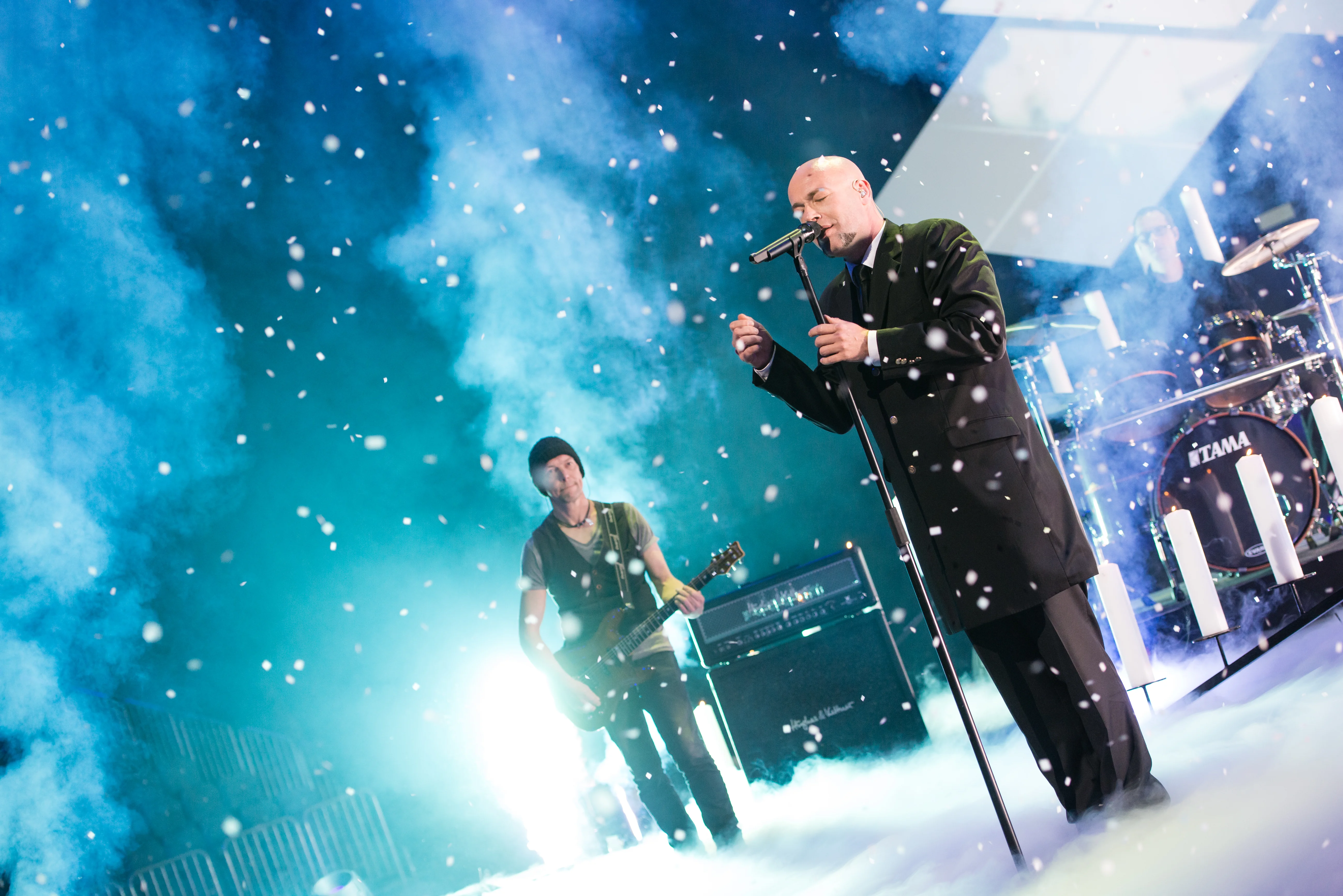
Image from Wikipedia
Image from Wikipedia
Unheilig – The emotional sound world between Gothic, Pop, and the big stage
From Aachen's insider tip to a defining German band
Unheilig is a German music group from Aachen that was formed in 1999 by singer and songwriter Der Graf. Initially a stylistically dark, electronically influenced band, it evolved into an act that combined elements of German pop, rock, and gothic with grand narrative gestures, reaching an exceptionally broad audience. The band's biggest success is the album Große Freiheit from 2010, featuring the single Geboren um zu leben. ([en.wikipedia.org](https://en.wikipedia.org/wiki/Unheilig?utm_source=openai))
The beginnings: Dark aesthetics, clear signature
The early years of Unheilig showcase a band that thought outside the alternative scene while also focusing on strong melodies early on. Founded in 1999 by Der Graf together with Grant Stevens and José Alvarez-Brill, their stylistic references included pop, electronic music, gothic rock, and Neue Deutsche Härte. Their debut album Phosphor was released in 2001 and marked the beginning of an artistic development that moved from a gloomy atmosphere to increasing emotionality. ([en.wikipedia.org](https://en.wikipedia.org/wiki/Unheilig?utm_source=openai))
In this phase, the foundation for later success was established: Unheilig worked with clear hooks, driving arrangements, and a distinctive tension between pathos and intimacy. Early released singles like Sage Ja! made the band well-known in the scene and showed that it was not just another dark rock formation, but a project with a strong sense of dramaturgy and recognizability. Early live performances at festivals and in club scenes also helped sharpen the band's stage presence. ([en.wikipedia.org](https://en.wikipedia.org/wiki/Unheilig?utm_source=openai))
The breakthrough with "Große Freiheit"
The decisive leap into the mainstream came in 2010 with Große Freiheit. The album was described in the press as a turning point, as Unheilig found its way out of the gothic niche into the German mainstream while simultaneously reaching its strongest commercial phase. Especially, Geboren um zu leben became the defining song of this era and developed into one of the most well-known German-language pop-rock titles of the decade. ([musikwoche.de](https://www.musikwoche.de/charts/hitbeat-2010-unheilig-dominiert-ganz-klar-bei-den-alben-454e978adda4e18a71ee85a048cef054?utm_source=openai))
The release was accompanied by a broad media campaign and conquered radio, TV, and charts. In the reception, it was frequently noted that the band's lyrics increasingly navigated between the black scene, pop sensibility, and catchy melodies reminiscent of Schlager. This friction is what made Unheilig interesting: the band remained emotionally accessible without entirely giving up its dark fundamental color. ([metal1.info](https://www.metal1.info/metal-reviews/unheilig-grosse-freiheit/?utm_source=openai))
Career highlights, awards, and farewell
The success of Unheilig was not limited to a single hit. According to Universal Music, the band received accolades such as Echo, Bambi, and the Golden Camera, highlighting the cross-cultural resonance of their music. The sales figures also tell a clear story: their discography lists over 5.9 million sold records, more than 5.5 million of which in Germany. ([universal-music.de](https://www.universal-music.de/unheilig/biografie?utm_source=openai))
After further albums and projects, the band initially bid farewell in 2016. With Von Mensch zu Mensch, their last work of that era was released; the final concert night marked an emotional moment for many fans. In retrospect, this step seems like a consciously set period to an extraordinarily intense phase of their career, during which Unheilig transitioned from a scene band to a fixed entity in German music life. ([en.wikipedia.org](https://en.wikipedia.org/wiki/Unheilig?utm_source=openai))
The discography: Albums, live releases, and defining songs
The musical identity of Unheilig includes not only studio albums but also a pronounced live and special release culture. Important milestones are Phosphor, Das 2. Gebot, Frohes Fest, Grosse Freiheit, Lichter der Stadt, Gipfelstürmer, and Von Mensch zu Mensch. Additionally, there are live formats, DVD editions, and an audiobook project that deepens the band's artistic self-location. ([es.wikipedia.org](https://es.wikipedia.org/wiki/Unheilig?utm_source=openai))
Particularly prominent songs include Geboren um zu leben, So wie Du warst, Wunderschön, Mein Löwe, Spiegel, and Unter deiner Flagge. On Spotify, these titles appear as central popular tracks of the band; they showcase the core of Unheilig's compositional style: anthemic choruses, clear emotions, and a production that combines grand imagery with immediate closeness. Even in the top songs and on the official profiles, this balance of pathos and pop accessibility remains visible. ([open.spotify.com](https://open.spotify.com/track/6vEoU9wtibBCXizWAB63QU?utm_source=openai))
Musical development: From dark rock to grand ballads
Unheilig's artistic development thrives on contrasts. Early releases align more closely with gothic rock, electronic darkness, and alternative harshness, while later works place stronger emphasis on melodic storytelling, anthemic tension arcs, and emotional directness. This progression also explains why Unheilig was perceived by both scene fans and a broad pop audience. ([en.wikipedia.org](https://en.wikipedia.org/wiki/Unheilig?utm_source=openai))
Musical analysis particularly highlights their approach to arrangement and dynamics. Unheilig often works with building verses, grand choruses, and a production that centers text and voice. Der Graf's distinctive vocal color enhances the narrative impact of the pieces and lends even a seemingly simple ballad a dramatic depth. This is where the band’s strength lies: they not only compose songs but create small emotional spaces. ([universal-music.de](https://www.universal-music.de/unheilig/biografie?utm_source=openai))
Cultural influence and critical reception
With the success of Große Freiheit, Unheilig became one of the most significant German pop-rock formations of the 2010s. The band shifted the boundaries between the alternative scene and the mainstream, commercially succeeding with melancholic German-language pop drama. Critics often read this success as a border crossing or as a clever opening; in any case, Unheilig significantly influenced the discussion on emotional German-language pop music. ([musikwoche.de](https://www.musikwoche.de/charts/hitbeat-2010-unheilig-dominiert-ganz-klar-bei-den-alben-454e978adda4e18a71ee85a048cef054?utm_source=openai))
Culturally, the band had a special impact. Unheilig demonstrated that a dark aesthetic origin does not have to contradict mass-compatible emotionality. This made the band interesting for listeners who do not draw hard lines between rock, pop, and ballad but experience music as an intense emotional space. The high reach on streaming and video platforms confirms this ongoing relevance. ([open.spotify.com](https://open.spotify.com/track/6vEoU9wtibBCXizWAB63QU?utm_source=openai))
The return: New album, new singles, new tour
In 2025, Unheilig made an impressive comeback. Universal Music announced a return, mentioning new studio recordings and a mini-tour, and the official website now refers to the new album Liebe Glaube Monster along with the accompanying live show. The band’s official communication clearly indicates: Unheilig is not just a nostalgic reactivation project but an active release and touring band once again. ([universal-music.de](https://www.universal-music.de/unheilig/biografie?utm_source=openai))
New releases include the singles Wunderschön, Mein Löwe, and Spiegel; the album LIEBE GLAUBE MONSTER is documented on Spotify with a complete track listing. The official website also announces exclusive release and tour dates for 2026 and 2027, including summer open airs, a release concert in Bochum, and a large-scale hall tour. The comeback thus carries not only symbolic but also clear artistic and organizational claims. ([unheilig.com](https://www.unheilig.com/about/))
Voices of the fans
The official channels of Unheilig show a strong, long-standing community that closely follows the comeback. Particularly the responses to new singles, video premieres, and tour announcements emphasize that the band retains an exceptionally loyal audience even years after their farewell. This lasting fan connection is a central indicator of Unheilig's cultural influence. ([facebook.com](https://www.facebook.com/Unheilig/posts/wir-sind-wieder-zur%C3%BCck-im-studio-und-arbeiten-flei%C3%9Fig-am-neuen-album-meine-kreat/1256252702538087/?utm_source=openai))
Conclusion: Why Unheilig fascinates to this day
Unheilig remains captivating because the band has achieved something rare in Germany: it combined scene identity, pop comprehensibility, and emotional weight into an unmistakable signature. Their discography tells of stylistic development, great stage presence, and songs that resonate far beyond the moment. Those who experience Unheilig live encounter a band that infuses melancholy, pathos, and catchiness with genuine concert dramaturgy. ([universal-music.de](https://www.universal-music.de/unheilig/biografie?utm_source=openai))
The comeback especially highlights how vibrant this artistic history has remained. Unheilig stands for significant German pop moments, for defining ballads, and for a stage language that does not hide feelings but displays them. Anyone searching for music with heart, conviction, and atmosphere should experience Unheilig live on stage. ([unheilig.com](https://www.unheilig.com/about/))
Official channels of Unheilig:
- Instagram: https://www.instagram.com/unheilig_official/
- Facebook: https://www.facebook.com/Unheilig/
- YouTube: https://www.youtube.com/channel/UCje901lPcWk0m_WVUjyNN_A
- Spotify: https://open.spotify.com/artist/6f1kv0aUPG9I0Rp3dmLCPi
- TikTok: no official profile found