
Rhythm and Blues
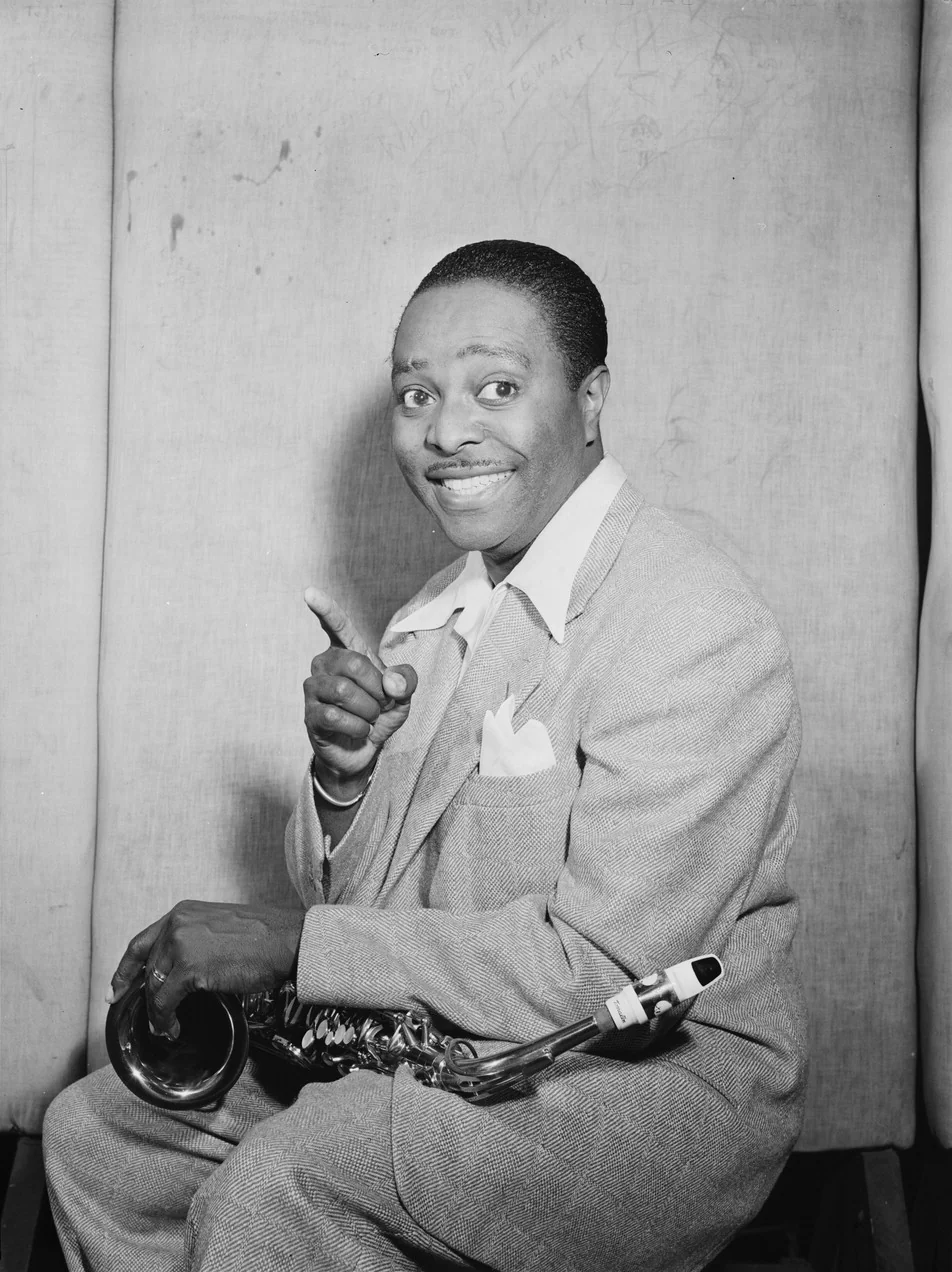
Image from Wikipedia
Image from Wikipedia
Rhythm and Blues: The History of a Genre that Redefined Pop Music
A Musical Style with Roots, Impact, and Enduring Radiance
Rhythm and Blues, or R&B, is not a traditional artist biography, but rather a cultural foundation of African American pop music. The genre emerged in the 1940s as a rhythmically accented form of the blues and quickly became a collective term for modern Black Music, characterized by urban energy, vocal expressiveness, and danceable grooves. From this sound cosmos, Rock ’n’ Roll later evolved; at the same time, R&B remained a central field for innovation, composition, and production in pop history. ([britannica.com](https://www.britannica.com/art/rhythm-and-blues?utm_source=openai))
Origins: From “Race Music” to Rhythm and Blues
The term Rhythm and Blues first appeared in 1941 in the context of a royalty dispute between ASCAP and American broadcasters as a replacement for the perceived discriminatory term “Race Music.” Jerry Wexler later coined the phrase as journalistic and producer language while working on the charts at Billboard. The renaming of Billboard's genre chart in 1949 made the term definitively visible and established it in the music industry. ([britannica.com](https://www.britannica.com/art/rhythm-and-blues?utm_source=openai))
From early on, R&B combined a strong beat aesthetic with the tradition of the blues. In the 1930s and 1940s, small combos, jump blues formations, and urban dance bands laid the blueprint for the genre: pointed rhythms, clear song structures, catchy hooks, and a direct appeal to the audience. The Library of Congress describes Rhythm and Blues as a form of African American music with a strong “rocking beat” that emerged in the 1940s and was a precursor to Rock and Roll. ([loc.gov](https://www.loc.gov/collections/songs-of-america/articles-and-essays/musical-styles/ethnic/african-american-song/?utm_source=openai))
The Musical DNA: Groove, Voice, and Production
R&B thrives on the combination of blues harmonics, gospel energy, jazz flexibility, and a pronounced, often syncopated rhythm. Early recordings often came from Los Angeles and were produced on independent labels such as Modern, RPM, and Specialty; later, Atlantic Records, Chess, King, Vee Jay, Duke/Peacock, and Sun shaped the dissemination of the genre. Production increasingly focused on sound quality, studio techniques, and arrangement, making R&B a laboratory for modern pop aesthetics. ([britannica.com](https://www.britannica.com/art/rhythm-and-blues?utm_source=openai))
Typical of the genre is the strong role of the voice: either as a powerful lead with call-and-response character or as a smooth, emotionally charged ballad. In small ensembles, instruments like the saxophone, piano, and drums could take on central roles, while the guitar in early forms primarily served timekeeping rather than soloing. It was this balance of physicality, precision, and emotion that made Rhythm and Blues so influential. ([britannica.com](https://www.britannica.com/art/rhythm-and-blues?utm_source=openai))
Key Phase of the 1950s: The Road to Rock ’n’ Roll
In the 1950s, R&B became the dominant African American pop music of the post-war era. Many of the defining names worked with labels and producers who professionalized the genre and made it nationally visible. According to Britannica, Atlantic Records shifted the focus of early Rhythm and Blues to New York, bringing artists like Ruth Brown, LaVern Baker, and Ray Charles into positions that further opened the genre and led it toward Soul. ([britannica.com](https://www.britannica.com/art/rhythm-and-blues?utm_source=openai))
At the same time, parts of the electric blues music from Chicago and Memphis were categorized as R&B because they appealed to an older, dance-loving audience. This shift illustrates how open and market-driven the term was from the start: it denoted not just a style but also a listening culture, an industrial context, and a new form of Black mainstream music. Thus, Rhythm and Blues became a central link between blues, jazz, gospel, rock, and pop. ([britannica.com](https://www.britannica.com/art/rhythm-and-blues?utm_source=openai))
From Classic R&B to Soul and Modern Pop Music
By around 1960, classic Rhythm and Blues, while not vanished, had clearly aged with its audience. Younger voices like Jackie Wilson and Sam Cooke marked the transition to Soul, which fused gospel, R&B, and pop more closely together. Ray Charles exemplifies this development: he is considered one of the key figures in the early development of Soul because he combined the emotional directness of gospel with the structures of Rhythm and Blues and jazz. ([britannica.com](https://www.britannica.com/art/rhythm-and-blues?utm_source=openai))
In the 1980s and 1990s, the term R&B took on a new meaning. It now referred to connections between pop and soul, later also between pop and hip-hop. Artists like Michael Jackson, Whitney Houston, Mariah Carey, Lionel Richie, and Prince were situated within this expanded understanding; at the same time, terms like Contemporary R&B emerged to more clearly capture the contemporary stylistic context. This development illustrates the immense adaptability of the genre. ([britannica.com](https://www.britannica.com/art/rhythm-and-blues?utm_source=openai))
Discography of the Genre: A Canon of Milestones Instead of a List of Albums
As a genre, Rhythm and Blues does not have a discography in the sense of a single catalog, but its canon consists of milestones that have made music history. Significant names from the early phase include Louis Jordan, Roy Milton, Wynonie Harris, Big Joe Turner, and Charles Brown, whose recordings shaped the transition from Jump Blues to urban R&B. Later, Ray Charles, Ruth Brown, LaVern Baker, Clyde McPhatter, and Chuck Willis expanded the vocabulary of the genre with precise production and high emotionality. ([britannica.com](https://www.britannica.com/art/rhythm-and-blues?utm_source=openai))
The Billboard charts, which began listing the genre as Rhythm and Blues in 1949, also served as a historical discography of the African American mainstream. They documented which songs, voices, and sound images defined each era. It is precisely in this chart history that the authority of the term lies: R&B was not only played but also industrially measured, marketed, and culturally coded. ([britannica.com](https://www.britannica.com/art/rhythm-and-blues?utm_source=openai))
Critical Reception and Cultural Influence
The reception of Rhythm and Blues is inseparably linked to issues of identity, commerce, and racial segregation. The term did not arise neutrally but as a reaction to derogatory market labels for Black music. Its career in the pop industry shows how cultural recognition has often been organized through language politics, radio formats, and charts. This has made R&B one of the most significant terms in African American music history. ([britannica.com](https://www.britannica.com/art/rhythm-and-blues?utm_source=openai))
Even outside the United States, the genre has impacted far beyond its origins. British bands like the Rolling Stones and The Who used “rhythm and blues” as a self-description, even though they were already developing their own stylistic forms. This shows how the genre became an international reference for raw energy, blues attitude, and stage presence. At the same time, in the United States, its influence on soul, funk, disco, hip-hop, and contemporary R&B remains unmistakable. ([britannica.com](https://www.britannica.com/art/rhythm-and-blues?utm_source=openai))
The cultural strength of Rhythm and Blues lies in its ability to transform. It has been dance music, expression of experience, studio aesthetics, hit machine, and source of inspiration for generations of musicians. In this complexity lies its authority to this day: R&B is not a concluded style, but an ongoing narrative of African American music culture. ([britannica.com](https://www.britannica.com/art/rhythm-and-blues?utm_source=openai))
Current Significance: Why R&B Remains Relevant in 2026
Even in contemporary pop, R&B is by no means a historical relic. The Grammy category “Best Contemporary R&B Album” shows that the genre continues to live institutionally and renew itself at the same time. Current reports from the Grammy editorial team point to a new generation of R&B artists who are experimentally merging soul, Americana, folk, pop, rock, jazz, and hip-hop. ([grammy.com](https://www.grammy.com/music-genre/r-and-b?utm_source=openai))
This openness makes Rhythm and Blues so exciting for today’s listeners. The genre not only provides nostalgic references but also a vibrant vocabulary for voice, groove, arrangement, and production. Anyone who wants to understand the history of pop inevitably encounters R&B as the origin, engine, and constant source of renewal. ([grammy.com](https://www.grammy.com/music-genre/r-and-b?utm_source=openai))
Conclusion: A Genre as the Cultural Backbone of Modern Music
Rhythm and Blues is much more than a stylistic label. The genre connects African American experience, musical innovation, and industrial history into one of the most important chapters of popular music. Those who listen to R&B hear the roots of soul, the groundwork for Rock ’n’ Roll, and the DNA of modern pop. For this reason, this genre remains exciting, relevant, and indispensable to this day. ([britannica.com](https://www.britannica.com/art/rhythm-and-blues?utm_source=openai))
Anyone who experiences the energy, emotional depth, and stylistic diversity of Rhythm and Blues live or in historical recordings quickly understands why this sound has shaped generations. R&B is not a museum topic but a vibrant cultural impulse. Discovering it means listening to the story of popular music at its source. ([britannica.com](https://www.britannica.com/art/rhythm-and-blues?utm_source=openai))
Official Channels of Rhythm and Blues:
- Instagram: No official profile found
- Facebook: No official profile found
- YouTube: No official profile found
- Spotify: No official profile found
- TikTok: No official profile found
Sources:
- Britannica – Rhythm and blues
- Library of Congress – Rhythm and Blues
- Library of Congress – African American Song
- GRAMMY.com – Music Genre: R&B
- Wikipedia: Image and text source